

The Allure of Chance
The psychology behind casino games is intricately tied to the allure of chance and unpredictability. Many players are irresistibly drawn to the thrill of wagering their money in hopes of securing a substantial return. This excitement is rooted in the brain’s reward system, which activates during moments of potential gain, such as when they encounter instant payid pokies australia real money opportunities. Just like other high-stakes activities, the adrenaline rush experienced during gameplay amplifies engagement, causing individuals to seek out casinos again and again. This natural thrill-seeking behavior often becomes a cycle, as players look to recapture that exhilarating feeling of winning.
The concept of randomness plays a pivotal role in captivating players as well. In games such as slots or roulette, the outcomes are completely unpredictable, creating an atmosphere of excitement and suspense. This unpredictability taps into a fundamental aspect of human curiosity, compelling players to believe that fortune may favor them. The mechanics of intermittent reinforcement, where wins occur sporadically yet feel rewarding, further encourage players to continue playing. Each spin of the reels or placement of a chip carries the tantalizing possibility of a significant win, fueling their desire to return to the casino floor.
Moreover, the design of casino environments is meticulously crafted to maximize this allure of chance. Vibrant lights, engaging sounds, and colorful décor create an immersive experience that enhances emotional responses. Casinos are intentionally designed to keep players engaged for extended periods, drawing them into a captivating world where the thrill of chance overshadows everything else. This careful orchestration of sensory elements ensures that the excitement of gambling remains at the forefront of the experience, reinforcing the psychological appeal of these venues.
The Role of Cognitive Biases
Cognitive biases play a significant role in shaping how individuals perceive their chances of winning in casino games. One prevalent bias is the gambler’s fallacy, where players mistakenly believe that previous outcomes can influence future results. For example, if a roulette wheel has landed on red multiple times in succession, some players may assume that black is «due» to occur next, failing to recognize the independence of each spin. This fallacy can lead to poor decision-making and impulsive gambling behaviors, as players chase losses under misguided beliefs.
Another cognitive bias that many gamblers experience is the illusion of control. This occurs when players believe they can affect the outcome of games, particularly those that involve skill, such as poker or blackjack. This false sense of control can drive players to employ strategies that are ultimately ineffective against the inherent odds of the game. By fostering the belief that they possess control, players often become more deeply engaged, which can result in extended gambling sessions that may not be in their best interest.

Additionally, casinos are adept at exploiting these cognitive biases through their marketing tactics and game mechanics. They often use terminology like «hot streaks» or highlight «near misses» to reinforce the notion that winning is just around the corner. This manipulation of perception encourages players to continue playing, as they become entranced by the belief that a significant win is imminent. By recognizing these cognitive biases, players can gain insight into their behaviors and make more informed choices when participating in gambling activities.
The Power of Social Interaction
Social dynamics significantly influence the psychology of casino games, enhancing the overall experience and shaping players’ behaviors. Many individuals are attracted to casinos for the social environment they provide, where they can engage with others who share similar interests. Games like poker, which involve interaction and competition against opponents, foster a sense of community and camaraderie among players. This social aspect not only enriches the enjoyment of the game but also turns gambling into a shared experience rather than a solitary endeavor.
The presence of peers can also impact decision-making in games of chance. Players often find themselves influenced by the actions of those around them, a phenomenon known as social proof. For instance, if players observe others celebrating wins or exhibiting excitement, they may feel compelled to participate, believing that the enthusiasm is contagious. This group dynamic can elevate the stakes and amplify emotional responses associated with the games, leading players to take risks they might not consider when playing alone.
Moreover, casinos are strategically designed to encourage social interaction. Common areas, bars, and lounges create opportunities for mingling, making the gambling experience more enjoyable and engaging. The overall atmosphere often results in extended visits, as players become invested not only in the games but also in the social connections they build. The psychological need for social engagement intertwines with the thrill of gambling, providing a compelling reason for individuals to return to the casino time and again.
The Emotional Journey of Gambling
The emotional journey that comes with gambling is complex and multifaceted. Players often experience a wide range of emotions, from excitement and hope to disappointment and frustration. This emotional landscape is a significant contributor to the overall gambling experience. Winning can elicit feelings of joy and euphoria, reinforcing the desire to play again, while losses may lead to despair or anger, prompting individuals to chase losses in a bid to regain that initial high.
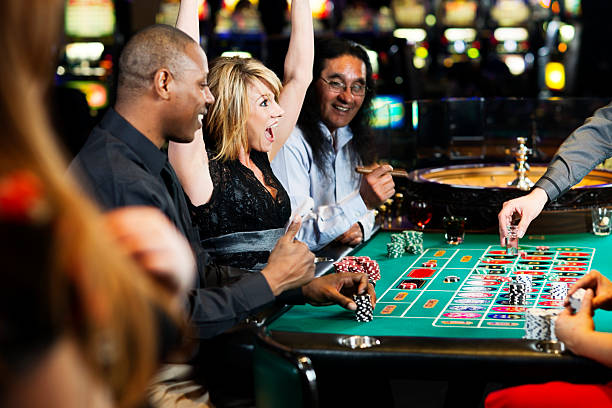
Additionally, the emotional highs and lows are often exacerbated by the environment in which gambling takes place. The ambiance of a casino is purposefully designed to evoke specific emotions, with upbeat music, celebratory sounds, and visually captivating displays that create a heightened sense of excitement. This orchestrated environment ensures that players remain emotionally engaged, making it difficult to step away from the games even when faced with losses. The reliance on emotional feedback can contribute to a cycle of compulsive gambling behavior.
Understanding this emotional journey is crucial for both players and operators in the gambling industry. By recognizing the psychological triggers that lead to both excitement and despair, players can work to cultivate healthier gambling habits. For operators, leveraging this knowledge allows them to create compassionate environments and resources that support responsible gambling practices. Acknowledging the emotional factors involved can lead to more informed choices and potentially mitigate harmful patterns associated with gambling behavior.
Exploring Responsible Gaming Resources
Responsible gaming is a fundamental aspect of the gambling experience that addresses the psychological challenges associated with casino games. Many gaming establishments recognize the importance of promoting healthy gaming behaviors and offer resources to support players. These resources may include self-assessment tools, educational materials on responsible gambling techniques, and strategies to limit access to high-risk games, all aimed at fostering a safer gambling environment.
Furthermore, advancements in technology have allowed many platforms to create safer gaming experiences. For example, certain online gaming sites enable players to set limits on their spending, gaming time, and even restrict access to specific games. These measures empower players to maintain control over their gambling activities, reducing the likelihood of developing harmful habits. Additionally, the availability of customer support services facilitates access to guidance for individuals who may be struggling with gambling-related challenges.
Ultimately, fostering a culture of responsibility is essential in addressing the psychological aspects of gambling. Casinos that prioritize responsible gaming contribute positively to player well-being by encouraging informed decision-making. By enhancing awareness of the psychological factors at play and promoting responsible practices, both players and operators can collaborate to create a safer and more enjoyable gambling environment. This commitment to responsible gaming can help ensure that the thrill of casino games remains a positive experience for all involved.